
Insider field manual for Arctic Aurora hunting: optimal camera & iPhone night mode settings, clinical 3-layer thermal clothing protocol for -30°C polar climates, and essential battery preservation secrets in Arctic tundra conditions.
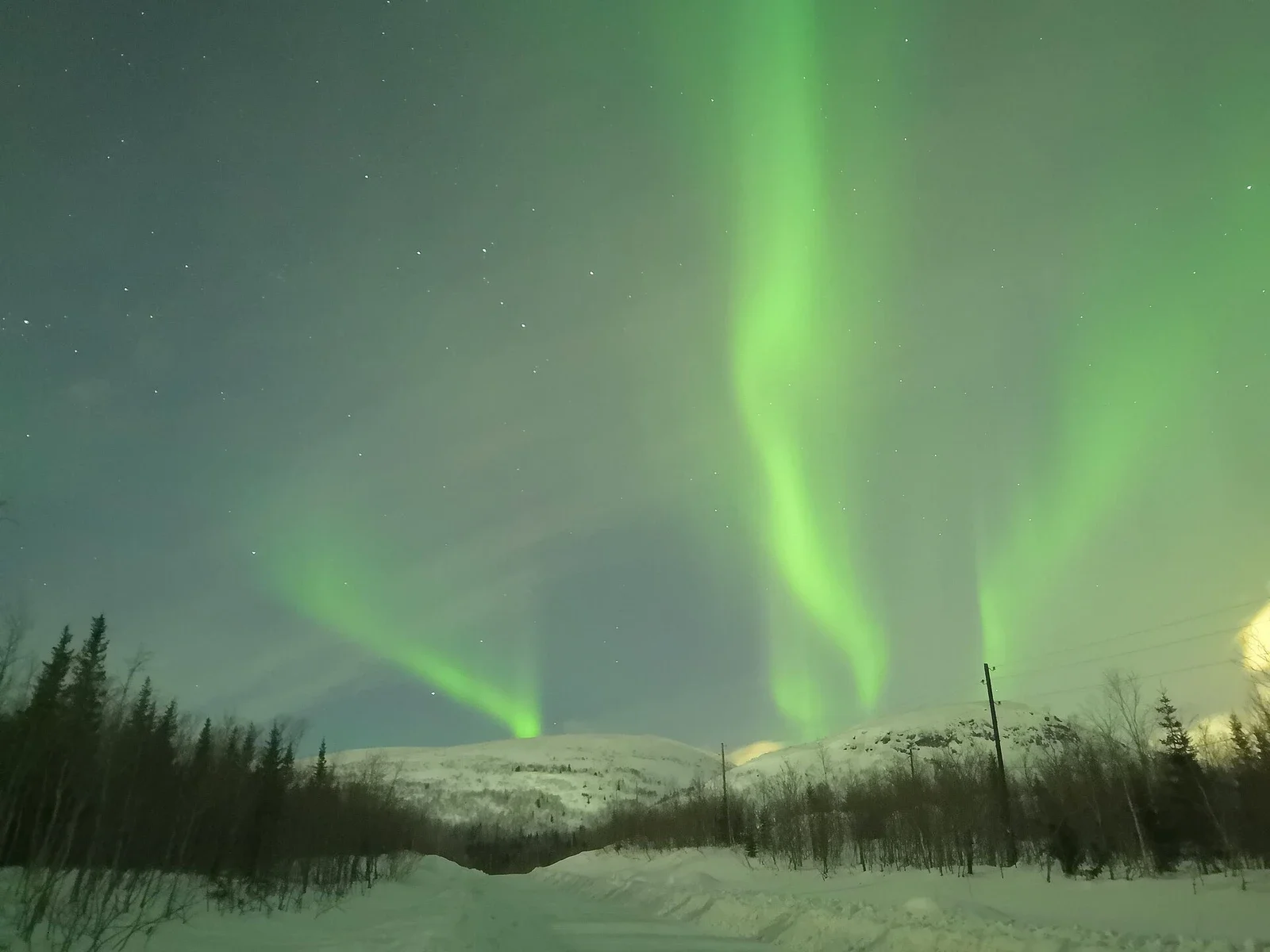
Chasing the Aurora Borealis in the Russian High Arctic around Murmansk and the Kola Peninsula is a bucket-list expedition. However, standing under Polar Night conditions in temperatures plunging between -20°C and -35°C with howling arctic gales demands technical discipline. Success hinges upon two non-negotiable pillars: a scientifically proven thermal layering wardrobe and mastery of low-light arctic photography techniques.
1. The Arctic Cold Challenge: Why Wardrobe Determines Expedition Success
Many first-time arctic travelers on our flagship Aurora Expedition assume wearing bulky wool sweaters is sufficient. In extreme sub-zero climates, moisture from physical exertion is your deadliest adversary. If sweat cannot escape, it freezes against your skin, triggering rapid hypothermia. An engineered multi-layering system is strictly mandatory.
2. The 3-Layer Thermal Protection System for -30°C
- Layer 1 - Moisture-Wicking Base Layer: Direct skin contact. High-grade 200–260 gsm Merino wool or advanced synthetic thermal underwear. Never wear cotton.
- Layer 2 - Insulating Mid Layer: Traps dead air warmed by body heat. High-pile polar fleece paired with an 800-fill power down jacket.
- Layer 3 - Outer Protective Shell: 100% windproof and waterproof Gore-Tex expedition parka with a deep faux-fur or down-filled storm hood to shield facial skin against biting tundra blizzards.
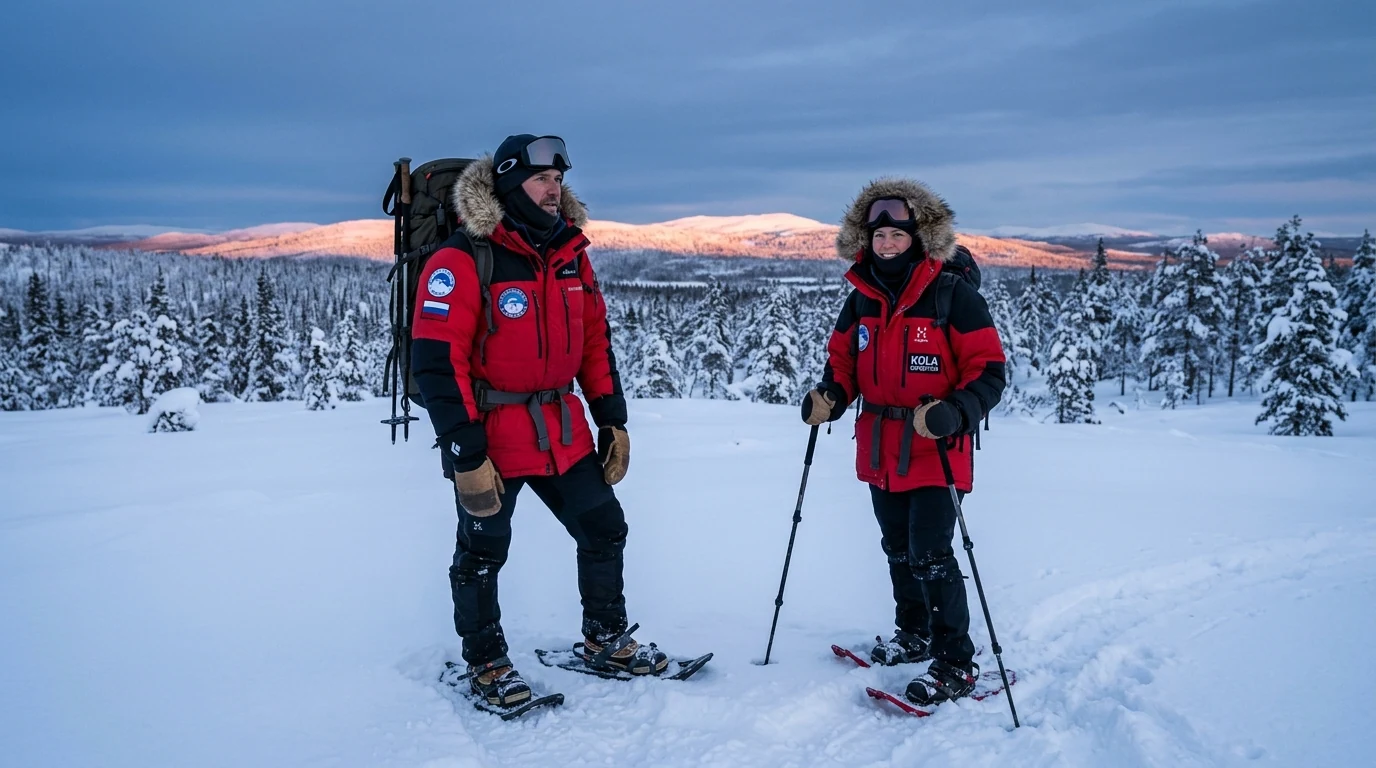
3. Essential Sub-Zero Accessories for Extended Night Staking
- Dual-Layer Glove Architecture: Inner touchscreen liner gloves inside heavy insulated windproof mittens. Never expose bare skin to sub-zero arctic air for more than 30 seconds.
- Arctic Traction Boots: Deep rubber-lug snow boots rated to -40°C, elevated above the ankle, combined with thermal adhesive toe warmers.
- Windproof Balaclava & Ushanka: Essential barriers preventing facial frostbite during open-field aurora watches.
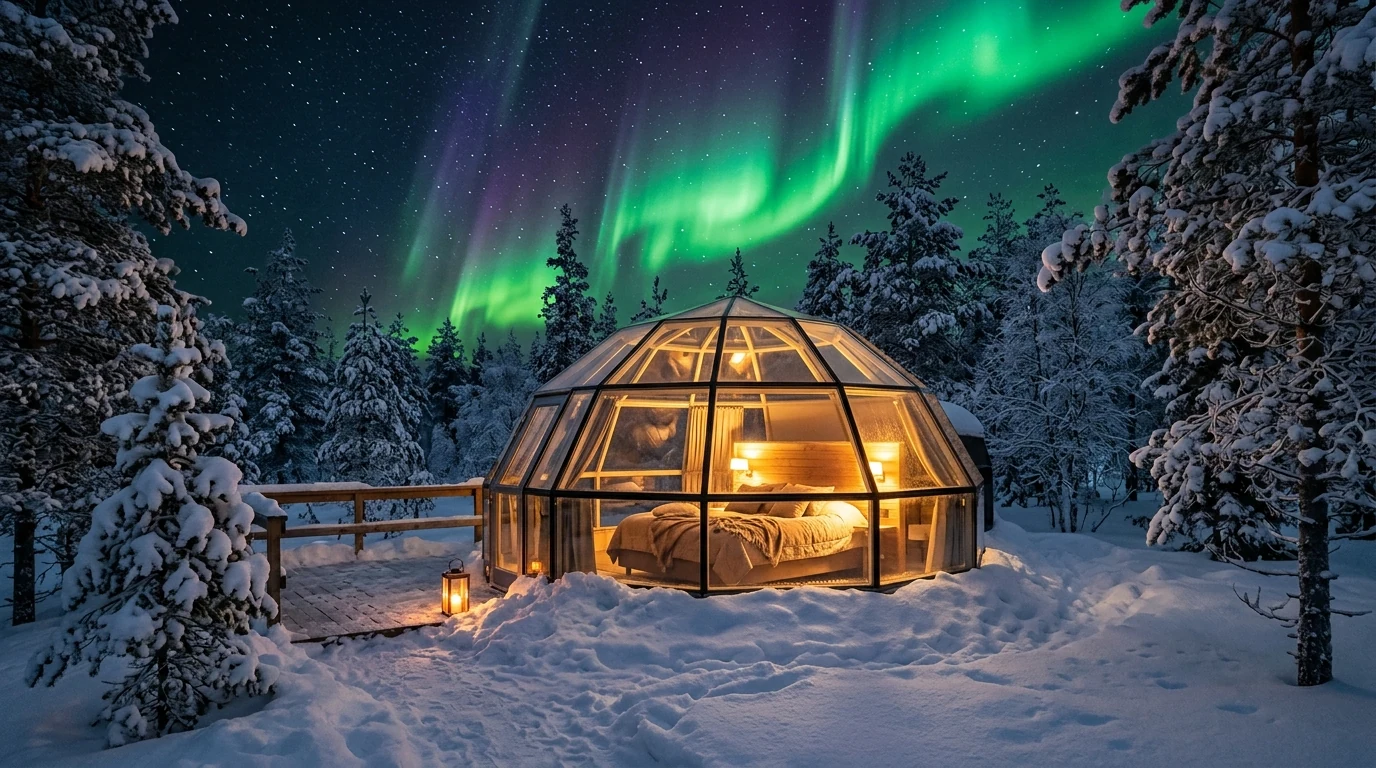
4. Smartphone Aurora Photography Blueprints (iPhone & Android)
- Sturdy Tripod Mounting: Handheld exposures at night result in blurry captures. A solid tripod is vital.
- Night Mode Calibration: Lock Night Mode to 10–30 seconds long exposure once stabilized on a tripod.
- Flash Disabled: Flash reflects off snow crystals and blinds low-light sensors.
- Exposure Compensation: Dial exposure compensation down by -0.3 to -0.7 EV to darken the arctic sky and illuminate saturated green and purple bands.
- RAW Format: Capture in Apple ProRAW or Android DNG to preserve dynamic range for post-processing.
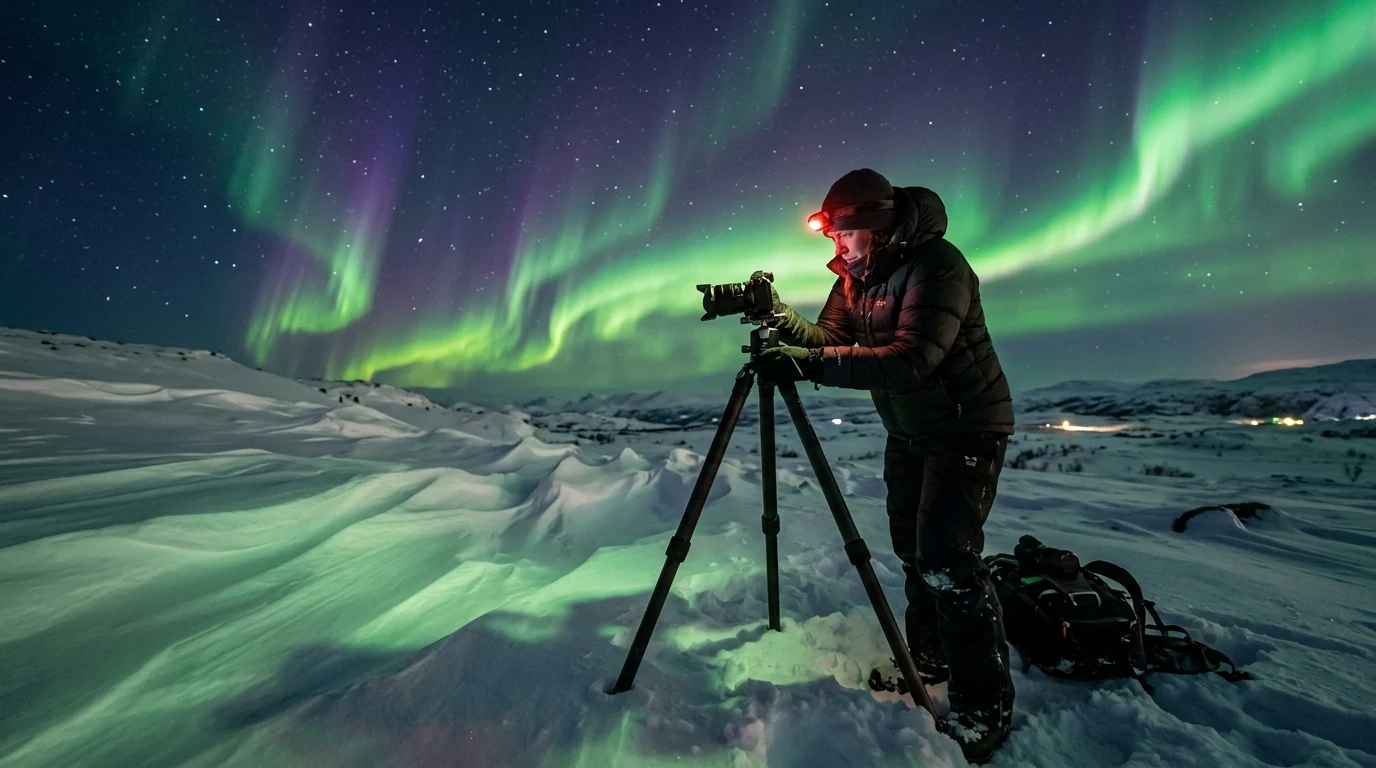
5. Professional Camera Manual Exposure Table
| Setting Parameter | Faint / Moderate Aurora Arc | Intense Corona & Fast Auroral Storm |
|---|---|---|
| Shooting Mode | Full Manual (M) | Full Manual (M) |
| Aperture | Maximum aperture: f/1.4 – f/2.8 | Maximum aperture: f/1.4 – f/2.8 |
| Shutter Speed | 6 to 12 seconds | 1 to 4 seconds (captures dynamic pillars) |
| ISO Sensitivity | ISO 1600 – 3200 | ISO 3200 – 6400 |
| Focus | Manual Focus locked on Infinity (∞) | Manual Focus locked on Infinity (∞) |
| White Balance | Kelvin 3500K – 4000K | Kelvin 3800K – 4200K |
For more travel insights, view our upcoming Arctic dates on the departures schedule.
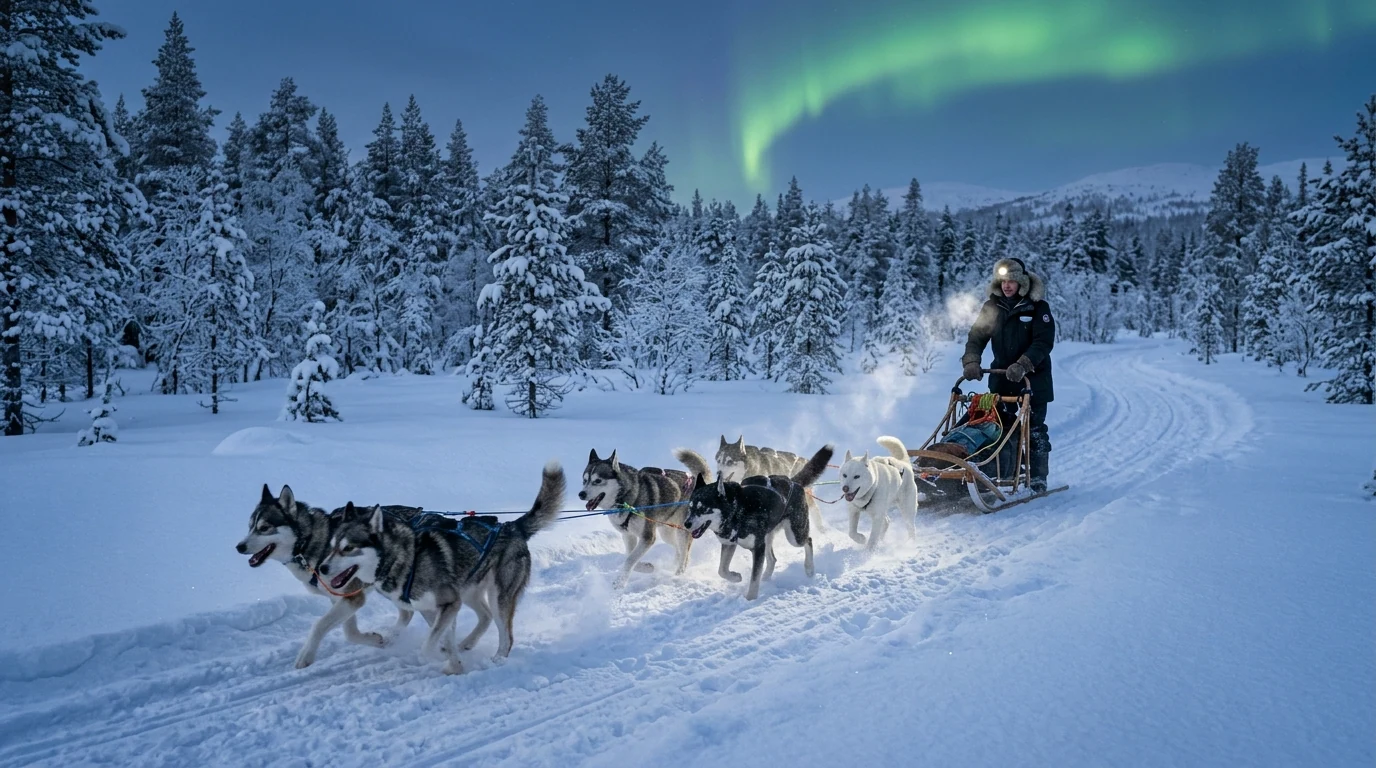
Chase the Arctic Aurora Borealis with Vielatin
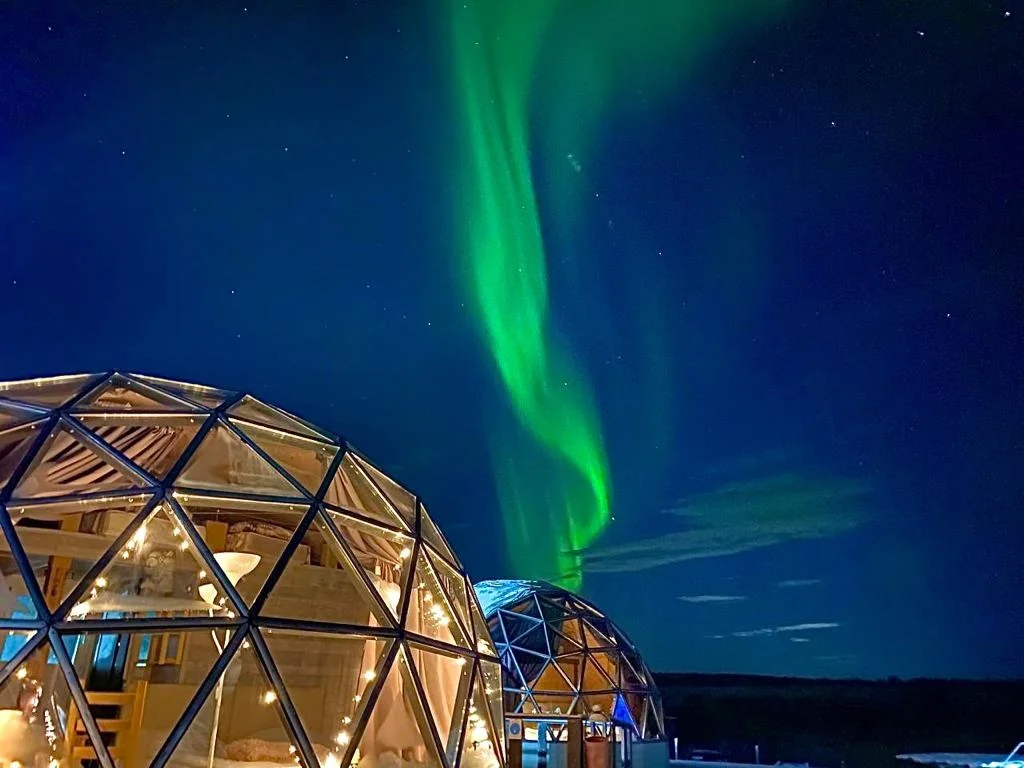
All-inclusive Russian Arctic expedition: full E-visa service, heated Glass Igloo Dome stay, arctic storm vehicles, and certified local aurora hunters.
 Flagship Journey 2026 - 2027