
Astrophysical mechanics of auroras, spectral color explanations, and NOAA/NASA data on Solar Cycle 25 Maximum — why 2026–2027 marks the most intense geomagnetic activity in over 11 years.
The Aurora Borealis has captivated human imagination for millennia. Under the lens of modern astrophysics, what causes the Northern Lights, and why has NASA and NOAA declared 2026–2027 the peak of Solar Cycle 25 (Solar Maximum) — the most intense aurora display in over a decade? Let us unravel the science behind this celestial phenomenon.
1. The Physics of the Aurora
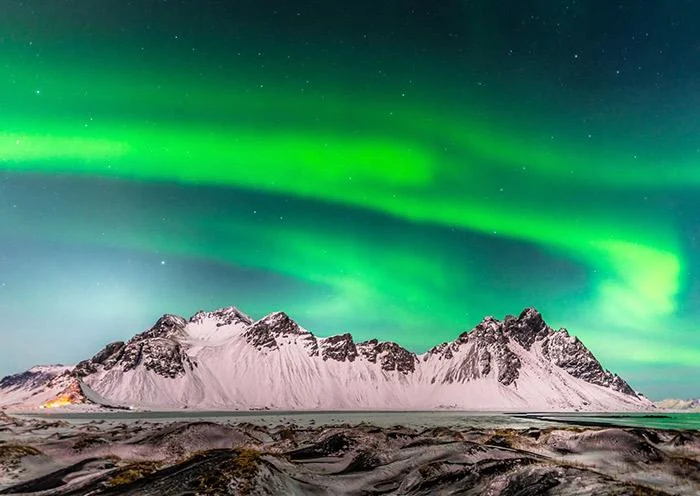
Auroras occur when solar wind charged particles (electrons and protons) collide with gases in Earth's upper atmosphere along geomagnetic field lines. When excited oxygen and nitrogen atoms release excess energy as visible photons, the sky illuminates in undulating curtains of light.
2. Decoding Auroral Colors
- Emerald Green (100–240 km): Oxygen atoms (most common).
- Deep Crimson (Above 240 km): High-altitude oxygen atoms during severe geomagnetic storms.
- Violet & Blue (Below 100 km): Ionized molecular nitrogen.
- Magenta & Pink (80–100 km): High-energy nitrogen and oxygen collision boundary.
3. Solar Cycle 25 Maximum: A Once-in-a-Decade Opportunity
The Sun follows an 11-year magnetic cycle. NOAA Space Weather Prediction Center confirms Solar Cycle 25 peak activity spans 2024 through 2026–2027. Following this season, solar activity will decline into solar minimum, with the next equivalent peak not expected until 2035.
4. The Murmansk Advantage
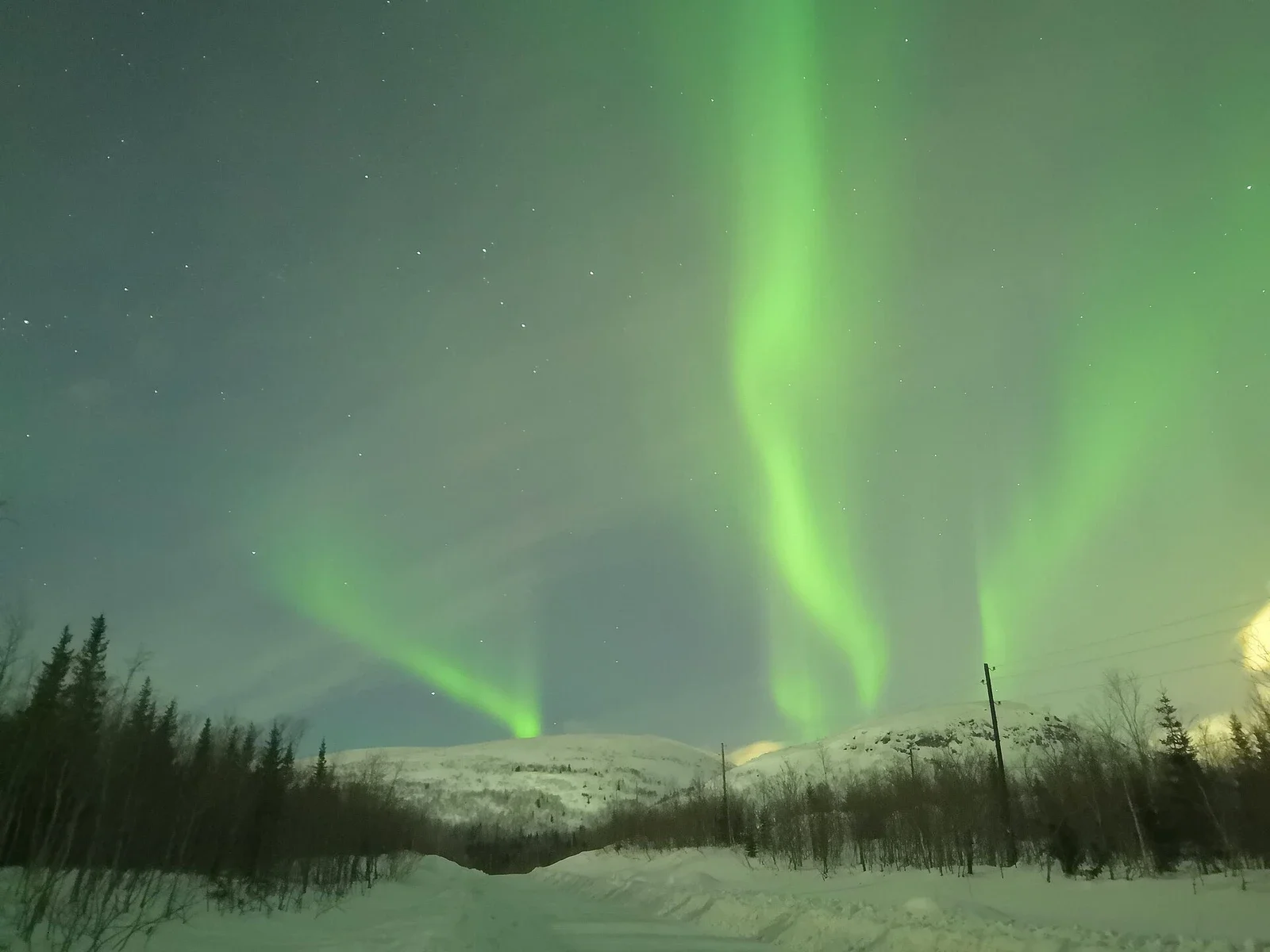
Situated directly under the Auroral Oval at 68.97°N, Murmansk guarantees aurora visibility even at low geomagnetic disturbance levels (KP 1–2). Join our 2026–2027 Murmansk Aurora Expedition to witness this once-in-a-decade spectacle.
Ready to Experience the Arctic Aurora 2026 – 2027?
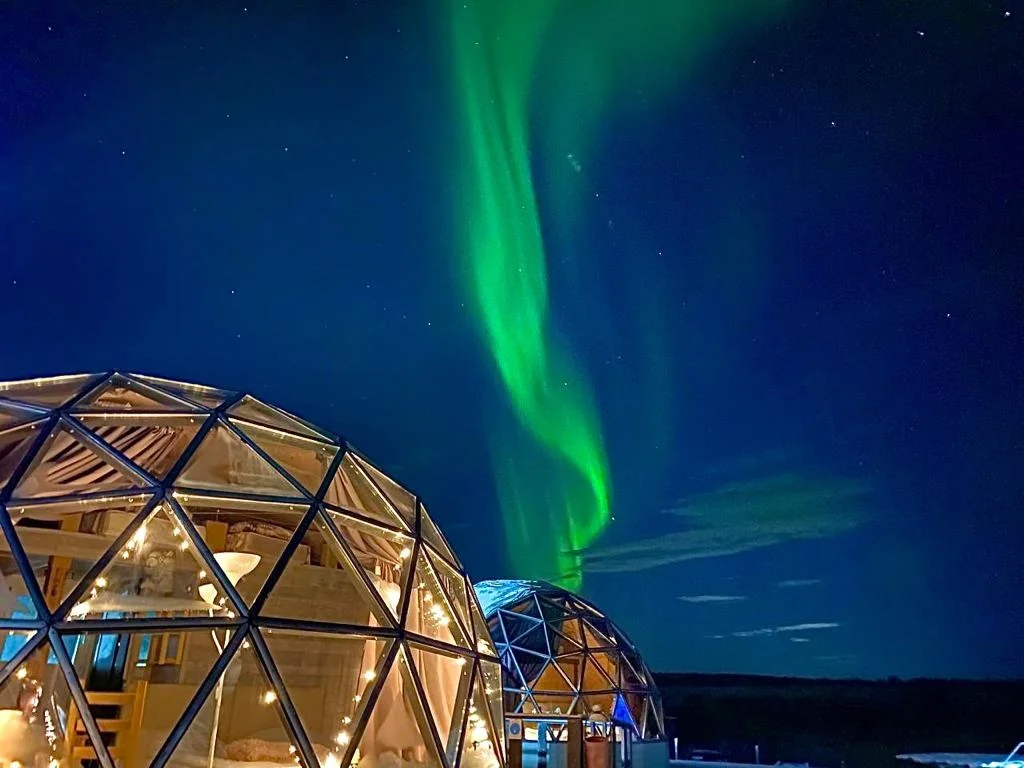
Strictly limited to 8–15 guests per expedition. Departs Dec 09, 2026 (only 2 spots left) and Lunar New Year Feb 07, 2027. Includes 4-star hotels, 1 night in a heated Igloo Dome, and 3 aurora hunting nights.


 Flagship Journey 2026 - 2027