
Comprehensive comparison of the world's top 7 aurora destinations across Russia, Norway, Finland, Iceland, USA, Canada, and Sweden regarding visas, flight hours, sighting probabilities, and real costs.
Witnessing the mystical dance of the Northern Lights (Aurora Borealis) is a bucket-list dream for travelers worldwide. But across the vast northern hemisphere, where is the best, easiest, and most cost-effective place to hunt the aurora? Aurora visibility is governed by the Auroral Oval (geomagnetic latitudes between 65° and 72° North). Drawing upon extensive Arctic field expertise, Vielatin regional specialist Huong Xuan Nguyen provides a comprehensive comparison of the world's top 7 aurora destinations in terms of sighting probability, visa requirements, flight duration, and real-world costs for 2026–2027.
1. The 3 Golden Rules of Aurora Hunting
- The Auroral Oval Belt (65°–72°N): The sweet spot where solar wind particles collide with Earth's magnetosphere at maximum density.
- Total Darkness & Zero Light Pollution: Venturing 20–50 km away from city lights into the wild tundra.
- Clear Skies: Auroral displays occur between 80 and 600 km altitude; local cloud cover is the primary deciding factor.
2. Top 7 Aurora Destinations Compared
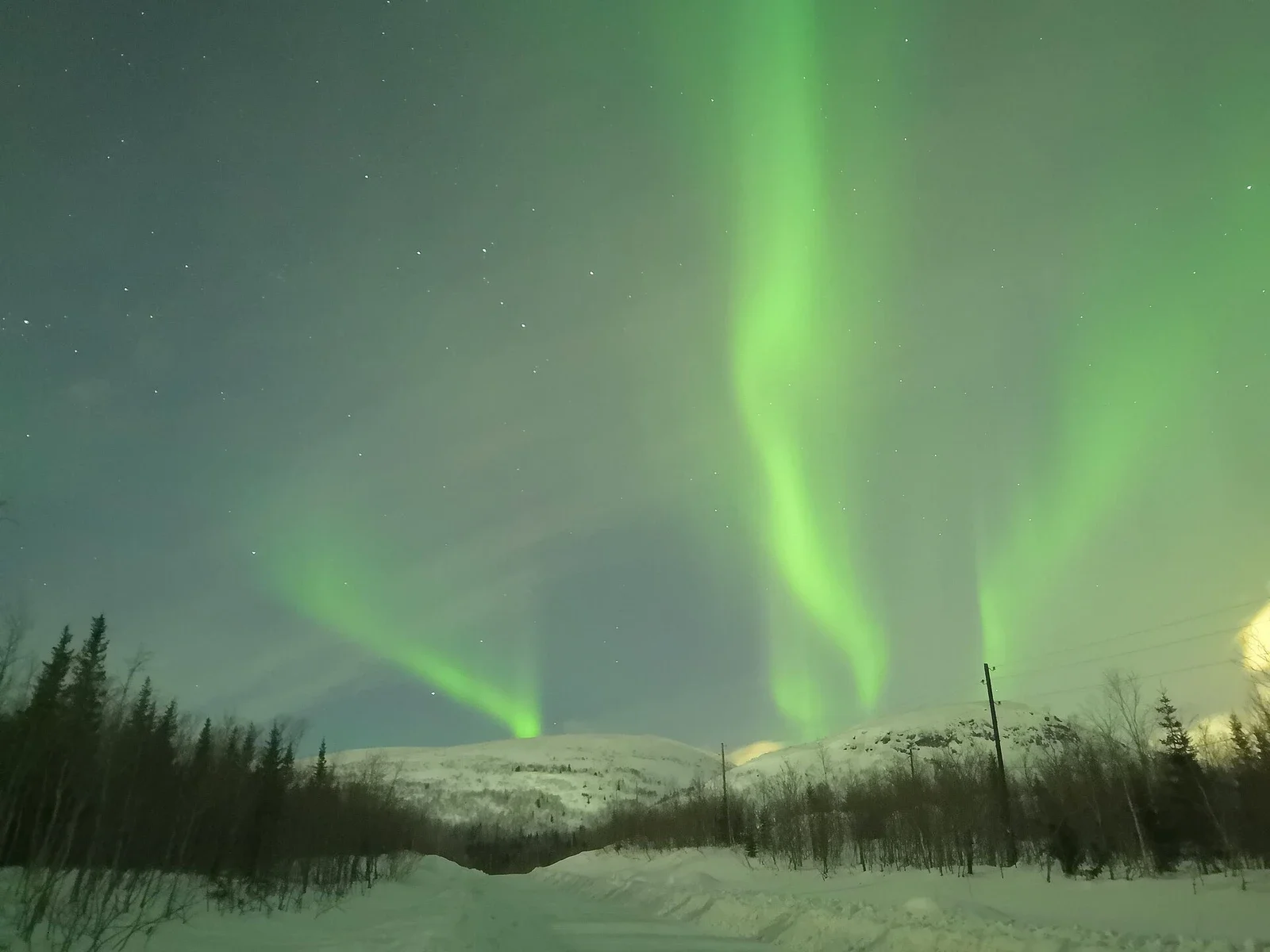
1. Murmansk & Kola Peninsula (Russia) — The Prime Choice for Vietnamese Travelers
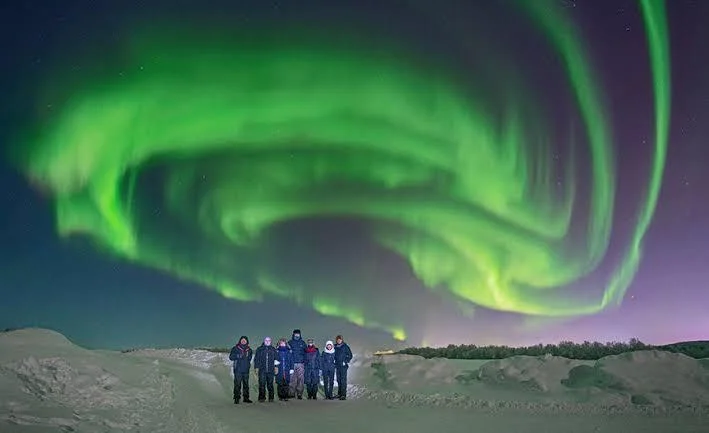
At 68.97°N, Murmansk is the largest city north of the Arctic Circle. Thanks to the Gulf Stream, temperatures remain manageable (-10°C to -25°C). Highlights include 30-day visa-free entry for Vietnamese citizens, 70-80% sighting probability, 1 night in a heated panoramic Igloo Dome, and costs 30-50% lower than Scandinavian destinations.
2. Tromsø (Norway) — The Arctic Capital
Stunning fjord vistas and world-class maritime infrastructure, but accompanied by steep European living costs and strict Schengen visa requirements.
3. Rovaniemi & Finnish Lapland (Finland) — Santa's Fairytale Homeland
Fairytale snow-covered taiga forests and famous glass igloos, with peak season holiday packages often exceeding $5,500-$7,000 per person.
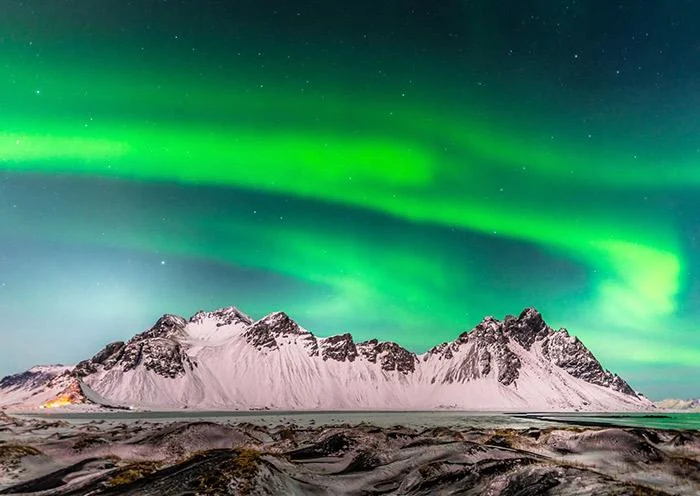
4. Reykjavik & South Coast (Iceland) — Fire and Ice
Surreal volcanic landscapes, though winter maritime weather frequently brings turbulent ocean winds and dense cloud cover.
5. Fairbanks & Interior Alaska (USA)
High clear-sky frequency deep inside continental basins, offset by strict US B1/B2 visa procedures and 24+ hour transit times from Southeast Asia.
6. Yellowknife & Northwest Territories (Canada)
Renowned for 90% sighting probability over 3-night stays, but featuring extreme winter temperatures down to -45°C.
7. Abisko National Park (Sweden)
Famed for the microclimatic "Blue Hole" clear-sky effect, though requiring multi-leg connections through Stockholm.
3. Key Takeaway: Why Murmansk Leads for 2026–2027
For seamless visa processing, transparent expenditure, and peak Solar Cycle 25 activity, Murmansk represents the premier all-inclusive expedition. Explore our Murmansk 8D7N Aurora Tour or flexible 7D6N Land Tour package.
Ready to Embark on this Extraordinary Journey?
Let Vielatin's seasoned route experts craft your bespoke itinerary, secure exclusive lodges, and support you 24/7 on the trail.

 Flagship Journey 2026 - 2027